
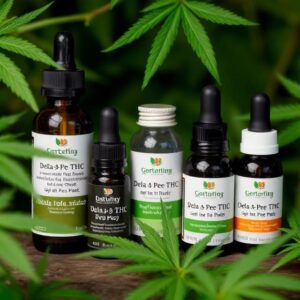
 Delta-9 THC is the primary psychoactive compound found in cannabis and the one most commonly associated with the plant’s effects. As the cannabis industry continues to expand, Delta-9 THC products have become widely available in various forms, offering consumers multiple ways to experience its effects.
In mature markets like California, Delta-9 products are a core part of the cannabis ecosystem, ranging from traditional formats to modern, innovative consumables. Understanding these products is essential for making informed and responsible choices.
What Is Delta-9 THC?
Delta-9 tetrahydrocannabinol, commonly known as Delta-9 THC, is a naturally occurring compound found in cannabis plants. It interacts with the body’s endocannabinoid system, particularly receptors in the brain, influencing mood, perception, appetite, and overall experience.
It is responsible for the “high” typically associated with cannabis, but its effects can vary depending on dosage, product type, and individual tolerance.
Types of Delta-9 THC Products
Delta-9 THC is available in a wide range of product formats, each offering a different experience.
Edibles
Edibles are one of the most popular forms of Delta-9 consumption. These include gummies, chocolates, beverages, and baked goods. They are known for their longer-lasting effects, although they take more time to activate compared to other methods.
Vape Products
Vape cartridges and disposable devices offer a faster onset of effects. They are convenient, discreet, and widely used by those who prefer inhalation without traditional smoking.
Flower
Cannabis flower remains a classic option. It can be smoked or vaporized and provides a more immediate experience. Many users prefer it for its natural form and full-spectrum profile.
Concentrates
Concentrates such as wax, shatter, and live resin contain higher levels of Delta-9 THC. These products are more potent and are typically used by experienced consumers.
Tinctures and Oils
These liquid forms are taken sublingually or added to food and drinks. They offer controlled dosing and are often used for more precise consumption.
How Delta-9 THC Affects the Body
Delta-9 THC interacts with receptors in the brain that regulate mood, memory, and sensory perception. This interaction leads to a range of effects that can include:
- Euphoria or elevated mood
- Relaxation
- Altered perception of time
- Increased appetite
- Enhanced sensory experiences
The intensity of these effects depends on the dosage, method of consumption, and individual factors such as metabolism and tolerance.
Differences Between Consumption Methods
The way Delta-9 THC is consumed significantly impacts how it feels.
Inhalation methods such as smoking or vaping produce faster effects, often within minutes. However, the duration is typically shorter.
Edibles take longer to activate because they must be digested and processed by the liver. This results in a slower onset but longer-lasting effects.
Tinctures fall somewhere in between, offering relatively quick absorption when taken sublingually.
Understanding these differences helps users choose the method that best fits their needs.
Dosage and Control
Dosage is one of the most important factors when using Delta-9 THC products.
Beginners are generally advised to start with a low dose and gradually increase as they become more familiar with the effects. Overconsumption can lead to discomfort, including anxiety or confusion.
Products are often labeled with THC content per serving, making it easier to control intake. Paying attention to these labels is essential for a safe experience.
Legal and Regulatory Considerations
The legal status of Delta-9 THC varies depending on location. In places like California, regulated markets ensure that products meet safety and quality standards.
These regulations typically include limits on THC content, mandatory lab testing, and clear labeling requirements. This creates a more reliable environment for consumers.
However, laws differ across regions, so it is important to be aware of local regulations before purchasing or using these products.
Benefits and Use Cases
Delta-9 THC products are used for a variety of purposes.
Some users seek relaxation and stress relief, while others use it for recreational enjoyment. It is also explored in wellness contexts, although experiences can vary widely.
The flexibility of product formats allows users to tailor their consumption based on their goals, whether it is a quick effect or a longer-lasting experience.
Potential Risks and Side Effects
While many users have positive experiences, Delta-9 THC can also produce side effects, especially at higher doses.
These may include:
- Anxiety or paranoia
- Dizziness
- Dry mouth
- Impaired coordination
These effects are usually temporary but can be uncomfortable. Responsible use and proper dosing are key to minimizing risks.
Choosing the Right Product
Selecting the right Delta-9 THC product depends on several factors.
Beginners may prefer low-dose edibles or tinctures for controlled experiences. Those looking for immediate effects might choose vaping or smoking options.
Experienced users may explore concentrates for higher potency. Personal preference, lifestyle, and comfort level all play a role in the decision.
The Future of Delta-9 THC Products
The market for Delta-9 THC products continues to evolve with innovation and consumer demand.
New formulations, improved delivery methods, and better product consistency are shaping the future. Technology is also playing a role, with advancements in dosing precision and product design.
In leading markets like California, these developments often set the tone for broader industry trends.
Conclusion
Delta-9 THC products are at the center of the modern cannabis industry, offering a wide range of options for different preferences and experiences. From traditional flower to advanced edibles and concentrates, the diversity of products allows for a highly personalized approach.
Understanding how these products work, how to use them responsibly, and how to choose the right format is essential for a positive experience. As the industry continues to grow, Delta-9 THC will remain a key driver of innovation and consumer engagement in the cannabis space.
 Delta-9 THC is one of the most well-known compounds found in cannabis, widely recognized for its role in shaping the modern hemp and cannabis product market. In recent years, Delta-9 THC products have gained significant popularity due to increasing consumer awareness, evolving regulations, and the demand for new product formats.
 One of the key factors driving the success of Delta-9 THC products is innovation. Manufacturers are constantly developing new formulations, flavors, and delivery methods to enhance user experience. From low-dose options for beginners to more concentrated products for experienced users, the market continues to evolve rapidly.